

(In short)
- Streetwear brands are built on a point of view and a community first, and a logo second.
- You need a logo system (wordmark, symbol, small mark) that survives prints, embroidery, labels and social avatars.
- Graphics, drops, packaging and your online store should all feel like the same world.
Streetwear branding is the work of turning a clothing idea into something people want to belong to. A great streetwear brand isn't just a logo on a heavyweight tee. It's a point of view, a set of signals people recognise from across the street and a world that stays consistent from the first drop to the tenth.
I've spent more than 13 years designing for fashion and culture brands, from Los Angeles labels like Capri and Ensante to release work with Nike × Kids of Immigrants. This guide is the process I use when a new label asks me how to brand a streetwear brand properly.
What streetwear branding actually is
Streetwear grew out of surf, skate, hip-hop and graffiti culture. The labels that lasted, like Stüssy, whose logo started as Shawn Stussy's signature on his surfboards, became famous because they stood for a scene before they stood for a product.
That's still true. Streetwear branding is the combination of:
- A point of view: what you stand for, who you make clothes for and what you refuse to do.
- A recognisable visual system: logo, typography, colour and graphic language.
- A release rhythm: drops, collaborations and stories that keep people coming back.
- A world: photography, packaging, store, social and the way you talk.
If any one of these is missing, the brand feels like a blank-tee business with a logo on it. Customers can feel the difference immediately.
Step 1: Start with the culture, not the logo
Before any design, write down three things: the scene you come from, the people you're dressing and the attitude of the brand in one sentence. Capri, for example, is built on the energy of 1980s streetwear, so every design decision had to answer to that reference.
This is the foundation for every later choice. A label rooted in skate culture will make different choices about type, imagery and tone than one rooted in Los Angeles hip-hop or Tokyo minimalism. If you skip this step, you end up borrowing someone else's culture, and people notice.
I go deeper on this in How to Build a Clothing Brand Identity.
Step 2: Design a logo system, not just a logo
Streetwear logos live in rough places: screen prints that crack, embroidery at 3 cm wide, woven labels, hang tags, stickers and tiny social avatars. One logo can't do all of that. You need a small system:
- A primary wordmark for chest prints, the website and packaging.
- A symbol or monogram for hats, labels, trims and the social avatar.
- A small mark or stamp for neck prints, zipper pulls and details.
For Capri I drew a custom wordmark, a C monogram for woven labels and a circular type system that wraps around imagery like a stamp. For Retake the R-and-arrow symbol went straight onto apparel graphics. Each piece has a job, so the brand stays recognisable at every size.
Step 3: Build a graphic language you can repeat
The logo gets people's attention, but graphics are what keep them buying. Decide early on the rules your graphics follow: a type family, a colour range, an illustration or photo style, and a few recurring devices like rotated text, stamps, warning labels or frames.
Good streetwear graphics feel like they come from the same hand even when every design is different. That consistency is what makes a fan recognise a new piece before they see the logo. I write about this idea in Designing for Recognition, Not Decoration.
Step 4: Plan drops as brand moments
In streetwear, the release calendar is part of the brand. Each drop needs a name, a story and a visual direction that fits inside your system without repeating the last one. Plan the assets together: lookbook, product shots, campaign images, social posts, email and store banners.
Collaborations work the same way. When I worked with BT Studios on the Kids of Immigrants × Nike Air Max release, the title treatment and visuals had to carry both brands' values and still feel like one story. Collabs only work when both identities are strong enough to stay visible.
Step 5: Treat packaging and labels as media
For a lot of customers, the first physical contact with your brand is a mailer bag or a box. Woven labels, hang tags, tissue, stickers and inserts are cheap ways to show you care about detail. They also get photographed and posted, which makes them free marketing.
Keep it simple: one or two packaging pieces done really well beat ten average ones.
Step 6: Make the online store feel like your world
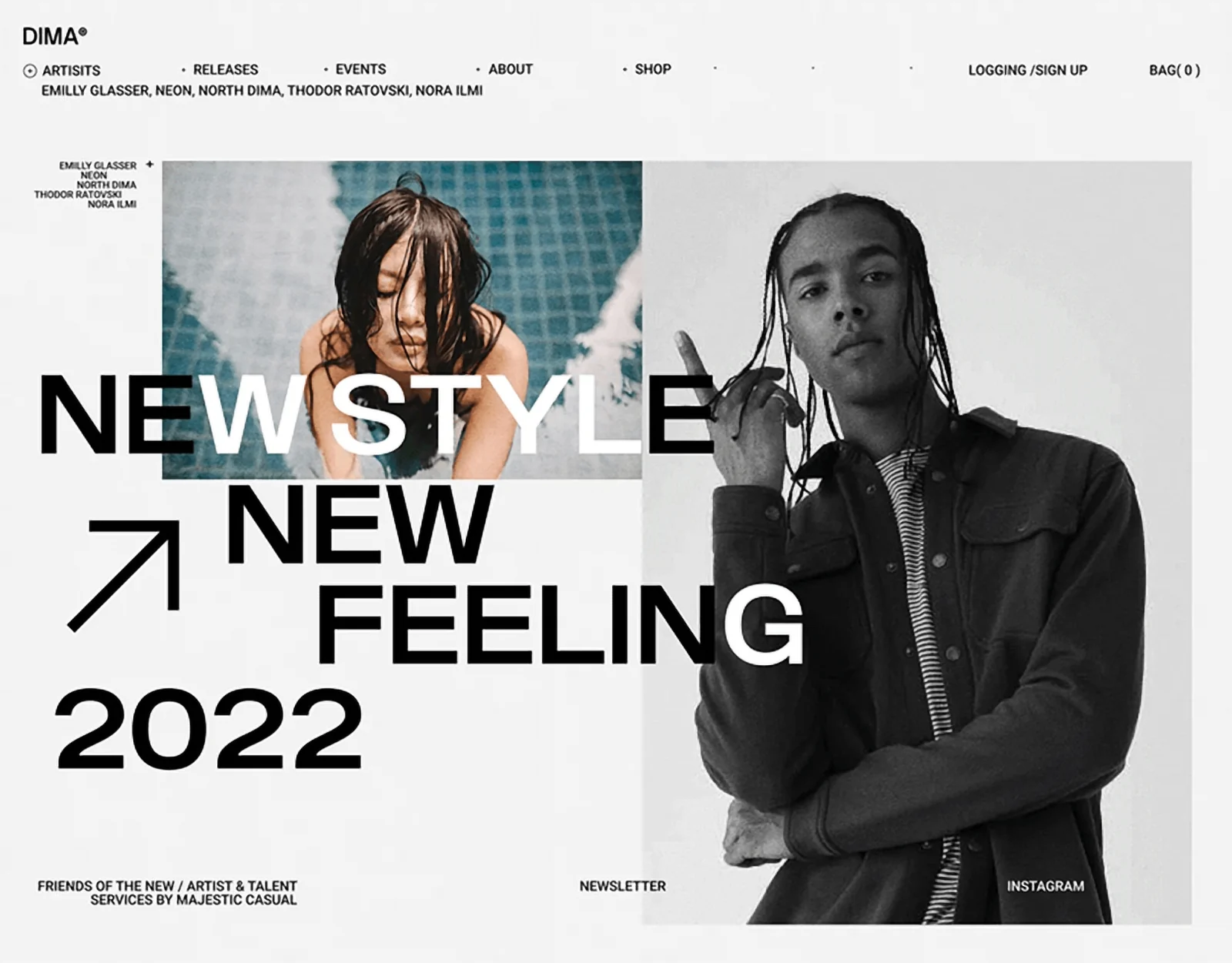
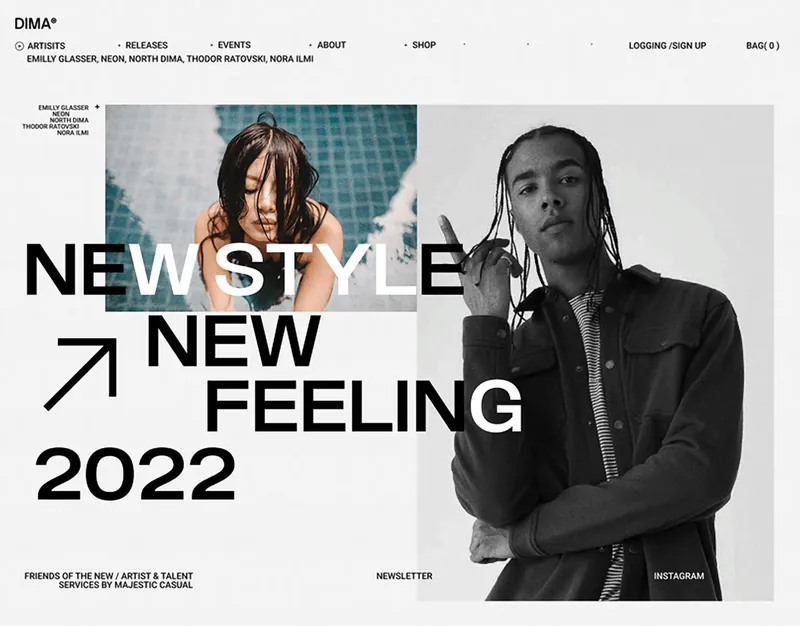
Most streetwear brands sell mainly online, so the website is your flagship store. It should look and feel like the brand, not like a default template. For Dima, a Denver streetwear label, the site used oversized overlapping type and editorial portraits on top of a clean shopping structure, so it felt raw but was still easy to buy from.
Get the basics right first: fast pages, clear product photography, a size guide and a simple checkout. Then add the personality.
Step 7: Find a voice, not just a look
Streetwear brands talk as much as they show. Your captions, product names, drop announcements and even the copy on your hang tags are part of the brand. Decide how you sound: blunt or poetic, funny or serious, insider slang or clean and minimal. Then keep it consistent.
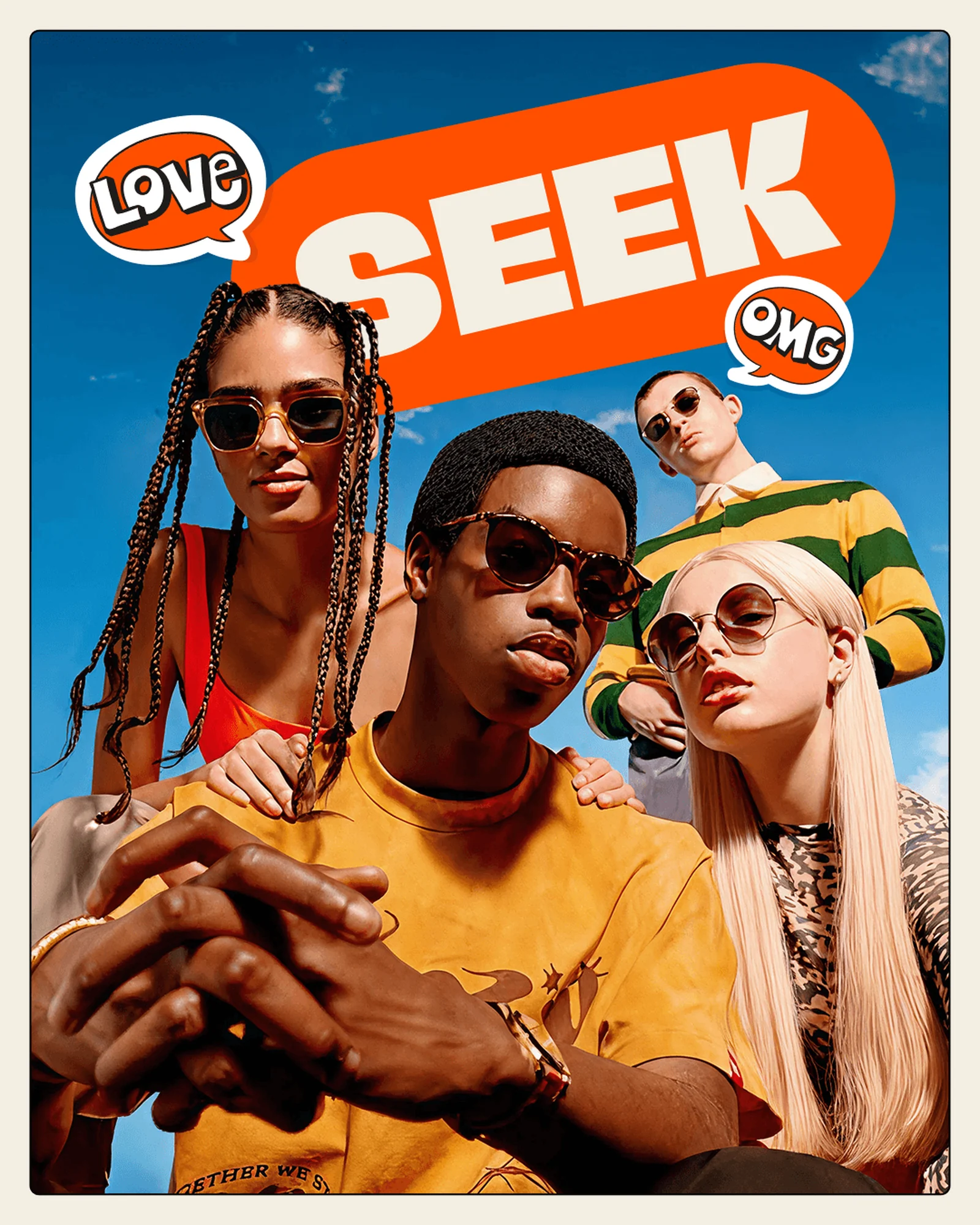
A simple test: cover the logo on a post and ask whether a fan would still know it's you from the words and the image alone. If not, the voice needs more work. SEEK, a New York discovery app I rebranded, uses short, confident lines with playful sticker graphics, and that pairing of tone and visuals is what makes it instantly recognisable.
Step 8: Name things like a brand
Collections, drops, colourways and even your best-selling pieces deserve names. Names give people something to talk about, search for and remember. They also make your release calendar feel like chapters of one story instead of random products.
Keep a simple naming system, for example numbered chapters, city references or a recurring theme, so new names always feel like they belong.
Step 9: Keep it consistent as you grow
The biggest risk for a growing label is drift: new designers, new collabs and new channels slowly pulling the brand in different directions. A short set of brand guidelines (logo use, type, colour, graphic rules, tone of voice) keeps everyone aligned. See The Quiet Work Behind a Strong Brand System for what to include.
How to tell if your streetwear branding is working
You don't need complicated research. Watch for these signs:
- People recognise new pieces before they see the logo. That means your graphic language is doing its job.
- Customers tag you without being asked. Packaging and product are strong enough to share.
- Drops feel connected. Fans can describe what your brand is about in a sentence.
- Collaborators approach you. Strong identities attract partners because they bring something clear to the table.
If the opposite is happening, the problem is usually a weak point of view or an inconsistent system, not the clothes.
Common streetwear branding mistakes
- Copying the leaders. If your logo could be mistaken for Supreme or Stüssy, you're advertising them, not you.
- A logo that only works big. Test it embroidered at 3 cm and as a 40-pixel avatar before you sign off.
- No point of view. Without one, every drop feels random and nobody knows what to expect.
- Inconsistent drops. Changing fonts, colours and photography every release resets recognition to zero.
- Ignoring the store. A great brand sold through a generic template loses most of its impact.
Frequently asked questions
How much does streetwear branding cost?
It depends on scope. A logo system alone costs much less than a full identity with graphics, packaging and a website. I break down typical ranges in How Much Does a Brand Identity Cost?
Do I need a symbol as well as a wordmark?
Usually yes. Hats, labels, trims and social avatars need a compact mark that a long wordmark can't fill.
How long does it take to brand a streetwear label?
A focused logo system can take a few weeks. A complete identity with graphics, packaging and a store usually takes longer, depending on feedback rounds and production.
Should I work with a freelancer or an agency?
Many independent labels work best with a senior independent designer who handles strategy, identity and creative direction directly. See the best fashion branding agencies in New York for a comparison.
Work with me on your streetwear brand
I design logo systems, graphics, packaging and online stores for streetwear and fashion labels. See streetwear brand design for how I work, or start with a free brand audit.

Rinor Rama — independent brand designer and creative director in New York with 13+ years of experience. Collaborations include Nike, Microsoft, Google, Brent Faiyaz and Don Toliver.Behance · Dribbble · LinkedIn
(Related work)
Seen in practice.




Tell me what you're building — I'd love to help.
Rinor RamaBrand designer & creative director
Contact